
OPENING TIMES
Open Every Day
10am – 4pm
For further enquiries please phone 01305 26974

The Tutankhamun Exhibition, currently showing in Dorchester, is the original Tutankhamun Exhibition established in 1987 following the success of the Treasures of Tutankhamun Exhibition at the British Museum London.
The Exhibition is unique for its innovative approach. It features Tutankhamun's major treasures meticulously recreated, wherever possible, in their original materials, and has been extensively featured in television programmes and major documentaries on Tutankhamun throughout the world.
In addition, the ante-chamber and burial chamber Tutankhamun's tomb have been accurately recreated together with all the tomb furniture and treasures making it possible for you to experience the wonder of discovery and enter the tomb just as Howard Carter did when he discovered it in 1922.
The Tutankhamun Exhibition in Dorchester was the first exhibition outside Egypt to feature an exact anatomical recreation of Tutankhamun's mummy. The mummy took over two years of research and experimentation to recreate, following x-rays and measurements of Tutankhamun's mummy.
Since it opened the Exhibition has been seen by visitors from all over Britain and many parts of the world exceeding most attendance records.
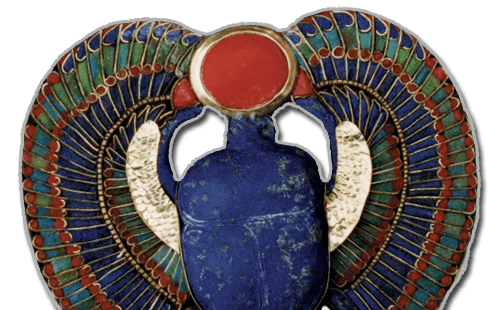
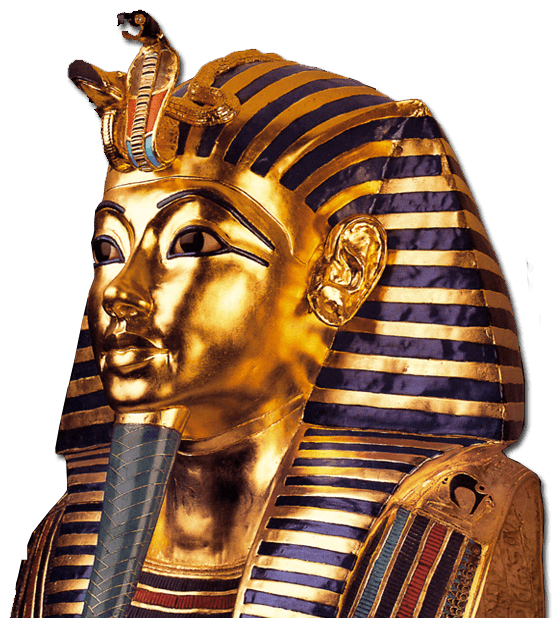
The Tutankhamun Exhibition features amongst many wonderful treasures: The Golden Mask of Tutankhamun, The Golden Throne of Tutankhamun, Tutankhamun's mummy. The Golden figure of Tutankhamun the Harpooner. A selection of Tutankhamun's jewels is also displayed. Our exhibition is a top Dorset attraction popular with families and schools.

The Tutankhamun Exhibition, High West Street, DT1 1UW, Dorchester, (01305) 269571
© 2024 The Tutankhamun Exhibition | Created by Website Vision | Privacy Policy | Terms